The Family Pupz Blog
The Family Pupz
Guide To Life With Dogs
Practical advice, thoughtful insights, and modern positive training approaches designed to help dog parents raise calm, confident dogs while navigating the everyday realities of life together — from walks and socialization to family life, city living, and the small moments that shape a dog’s behavior over time.
FEATURED POSTS
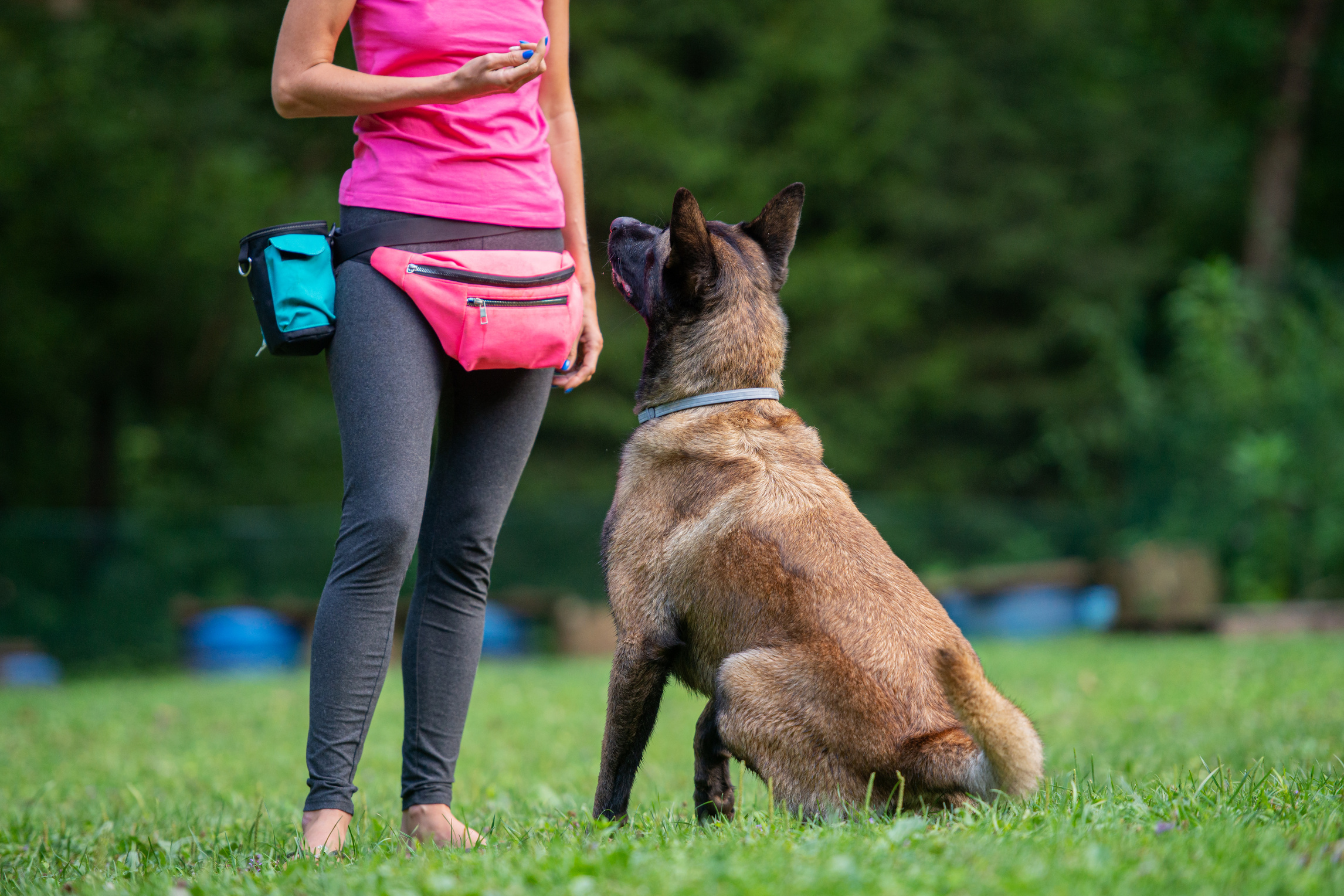
We hear this question all the time. A client watches their dog walk politely next to us, respond smoothly to cues, and settle calmly during a session. Then they turn and say, half-joking, half-serious: “Why is my dog always good with you?”
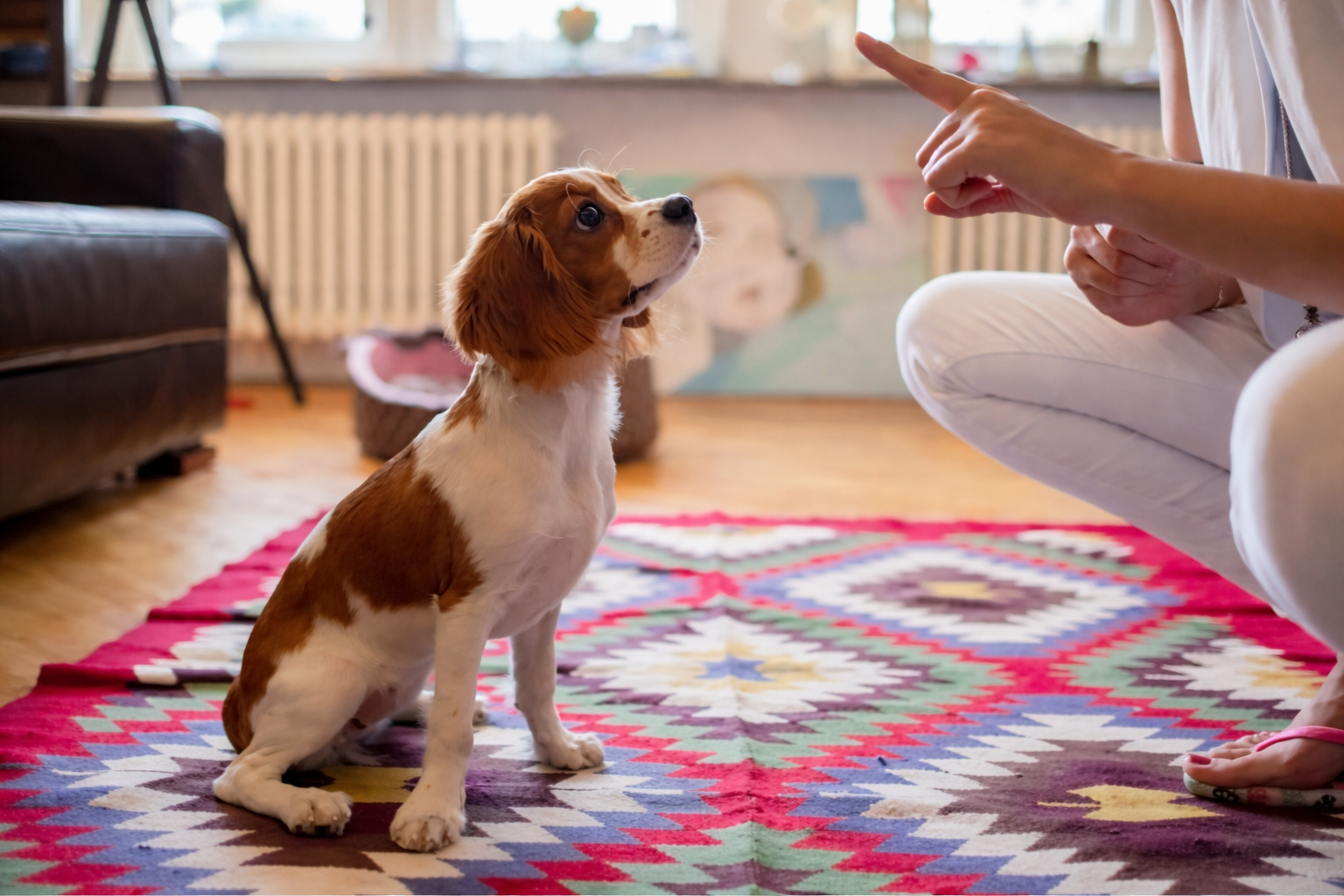
One of the hardest parts of dog training often has very little to do with the dog. It’s the conversations between two people who both care — and don’t see the situation the same way.
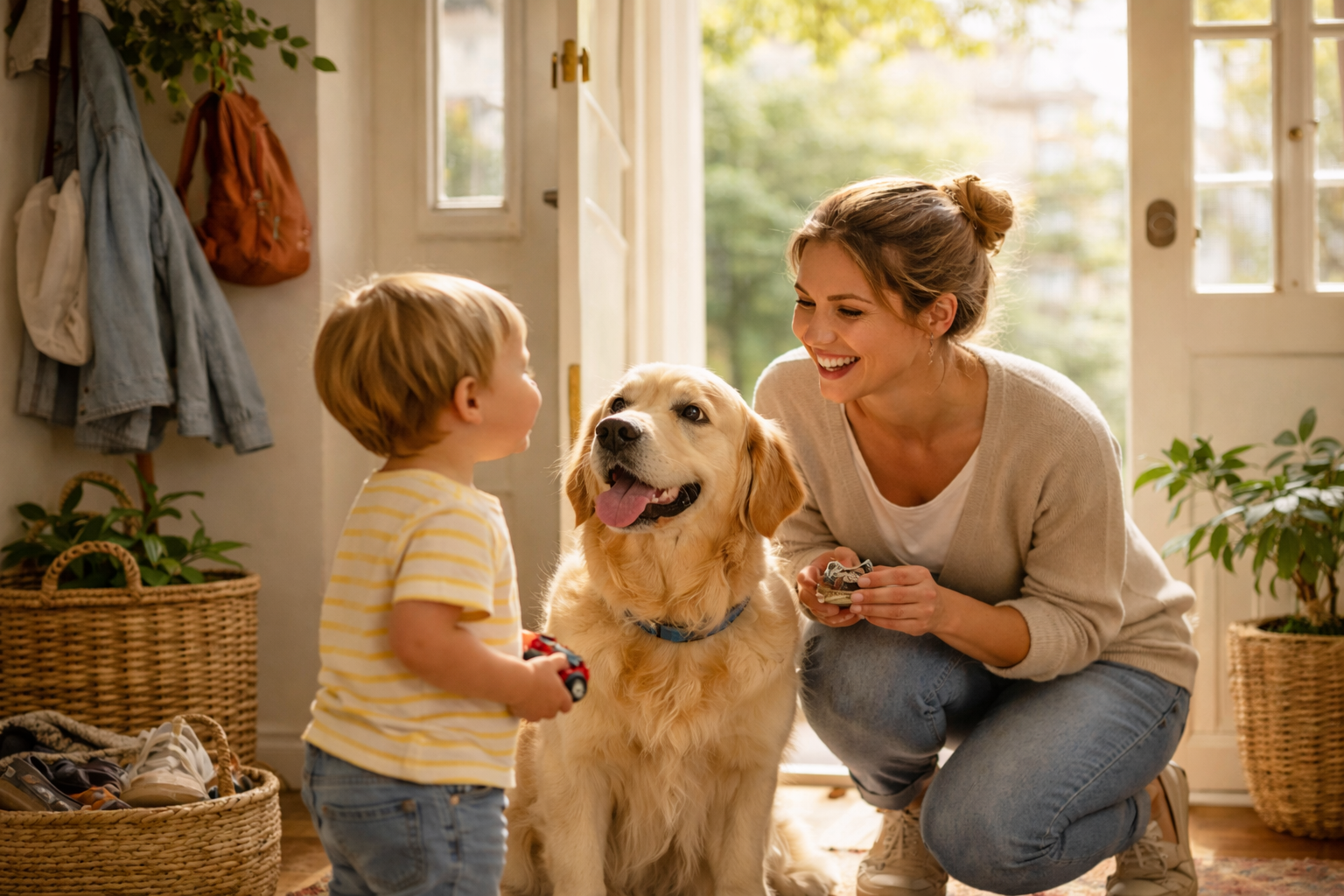
Spend time around toddlers and you start to notice something strange. Parents everywhere are seemingly speaking in the exact same way: “Come on…”; “Do you want to put your shoes on?”; “Should we go brush our teeth?”; “Let’s gooo.”
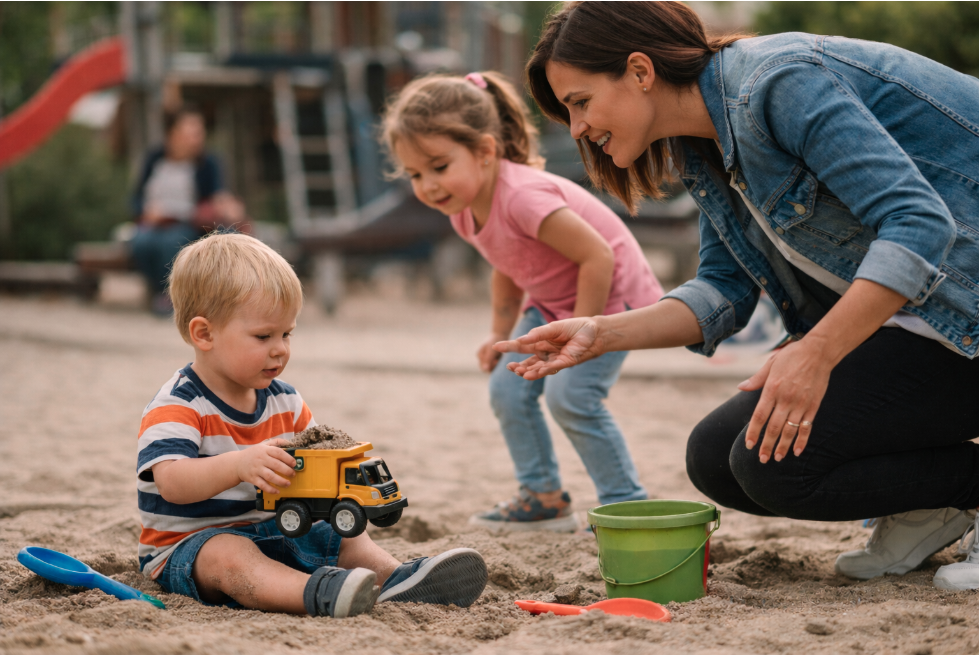
There’s a moment that happens at playgrounds everywhere. A toddler finds something interesting — a truck, a shovel, a bucket. They pick it up. They start exploring it. Another child walks over. And almost immediately, the parent steps in: “I think the other child wants to play too. You should share.”
PUPPY TRAINING
One of the most common questions new puppy parents ask is: “When should I start training my puppy?” Many people assume training begins once the puppy is older. But in reality, training starts the moment your puppy arrives home.
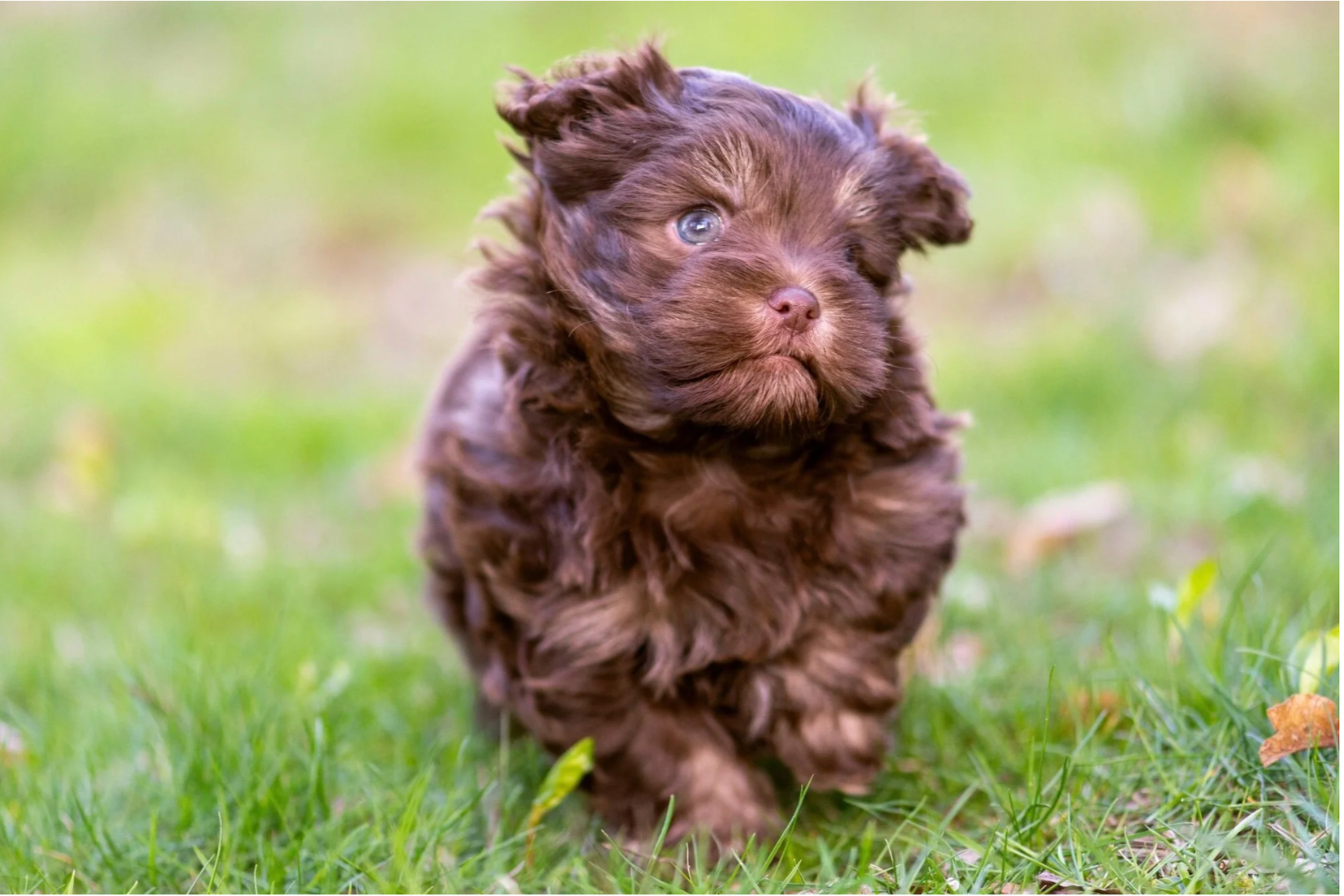
Socialization is important because it will provide your puppy with the social skills needed to interact with other people and dogs confidently, while preventing your puppy from becoming fearful, shy or skiddish in the future.
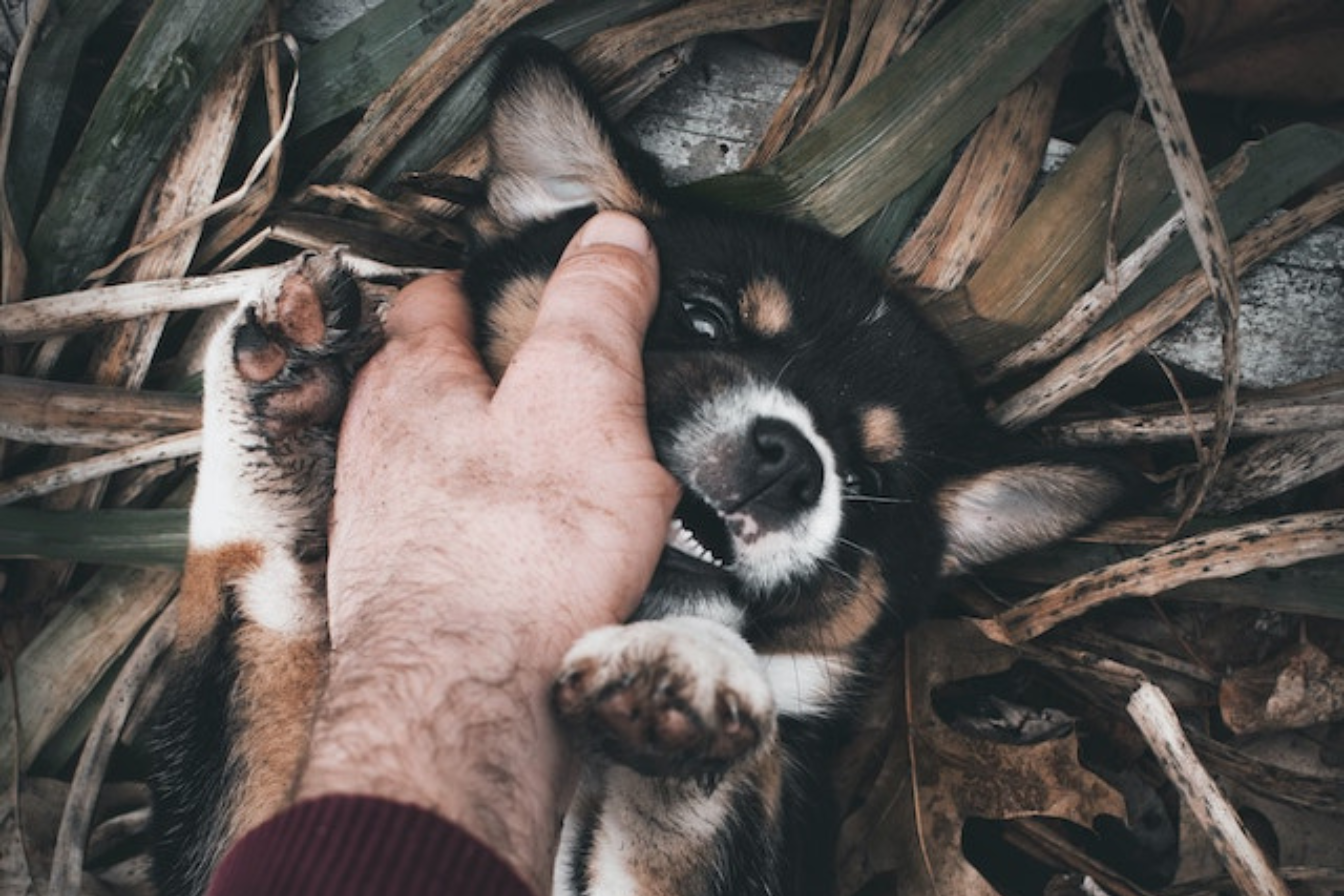
When it comes to puppies, biting/mouthing/nipping is usually at the top of the list of the most common complaints I hear about from new paw-rents! I can also personally relate after fostering quite a few puppies myself in the past who were determined to bite (in the cutest way) every inch of my skin! :)
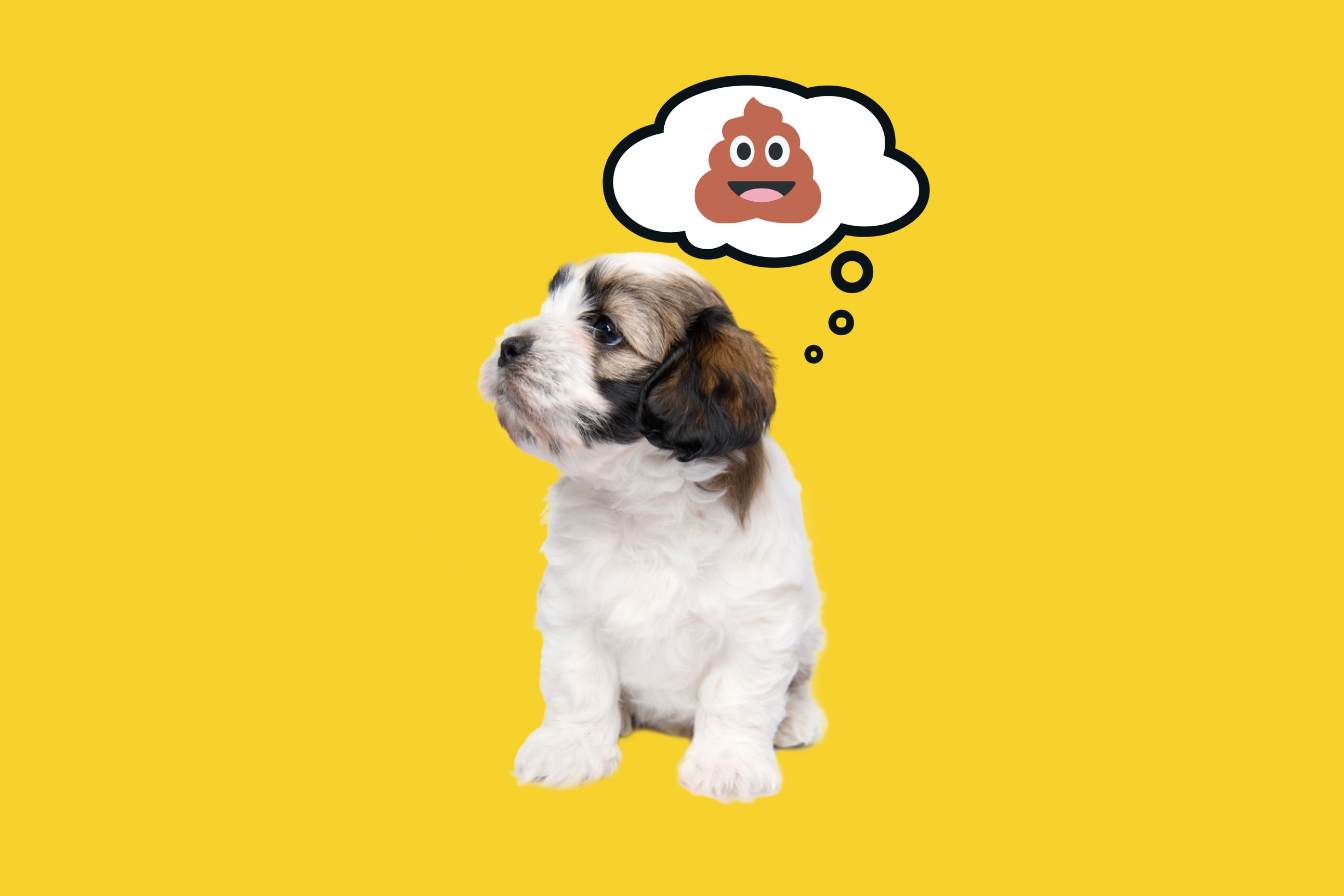
On the latest episode of The Family Pupz Podcast, we asked the founder of Paws For Thought Dog Training, Maddie Messina, whether the popular puppy training myth of rubbing a puppy's nose in their pee or poo to teach them not to go potty in the house is an effective way to house train a new puppy.
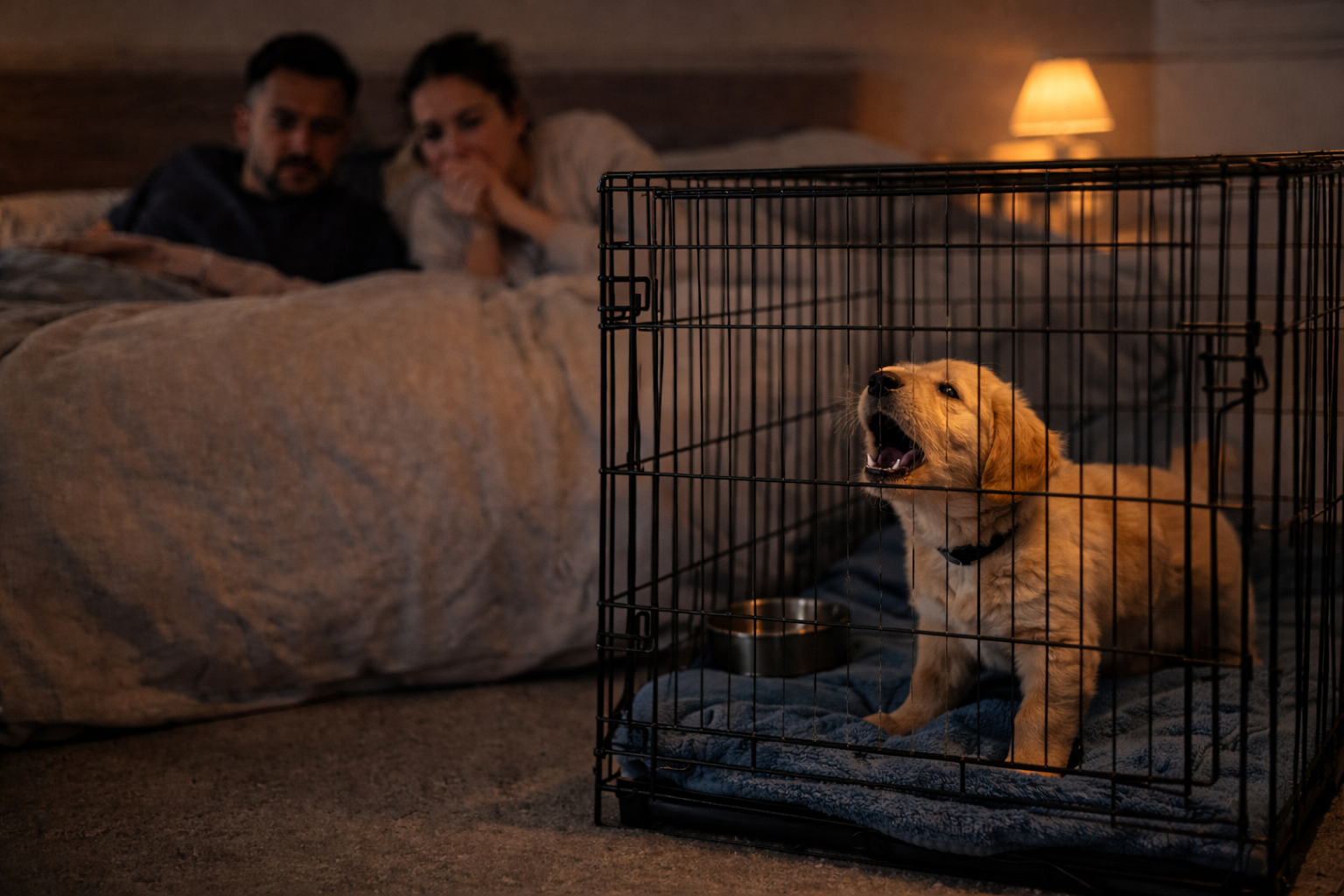
When my dog is crying/whining in his/her crate at night, should I let them “cry it out”, so as not to encourage this behavior? This question is, by far, the most common question that I receive on crate training.
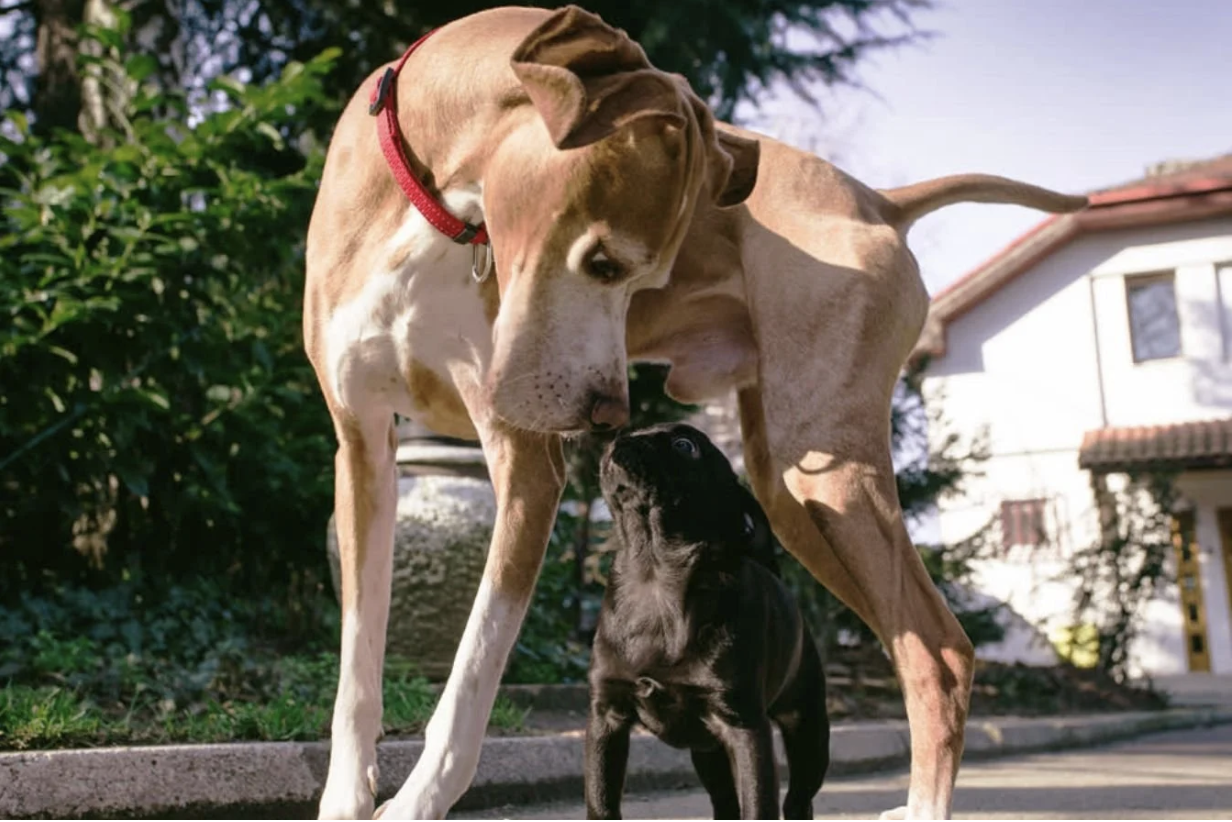
You see another dog approaching. Your puppy gets excited. And the other dog parent asks: “Does your puppy want to say “hi”? My dog’s super friendly!”
DOG BEHAVIOR
We hear this question all the time. A client watches their dog walk politely next to us, respond smoothly to cues, and settle calmly during a session. Then they turn and say, half-joking, half-serious: “Why is my dog always good with you?”
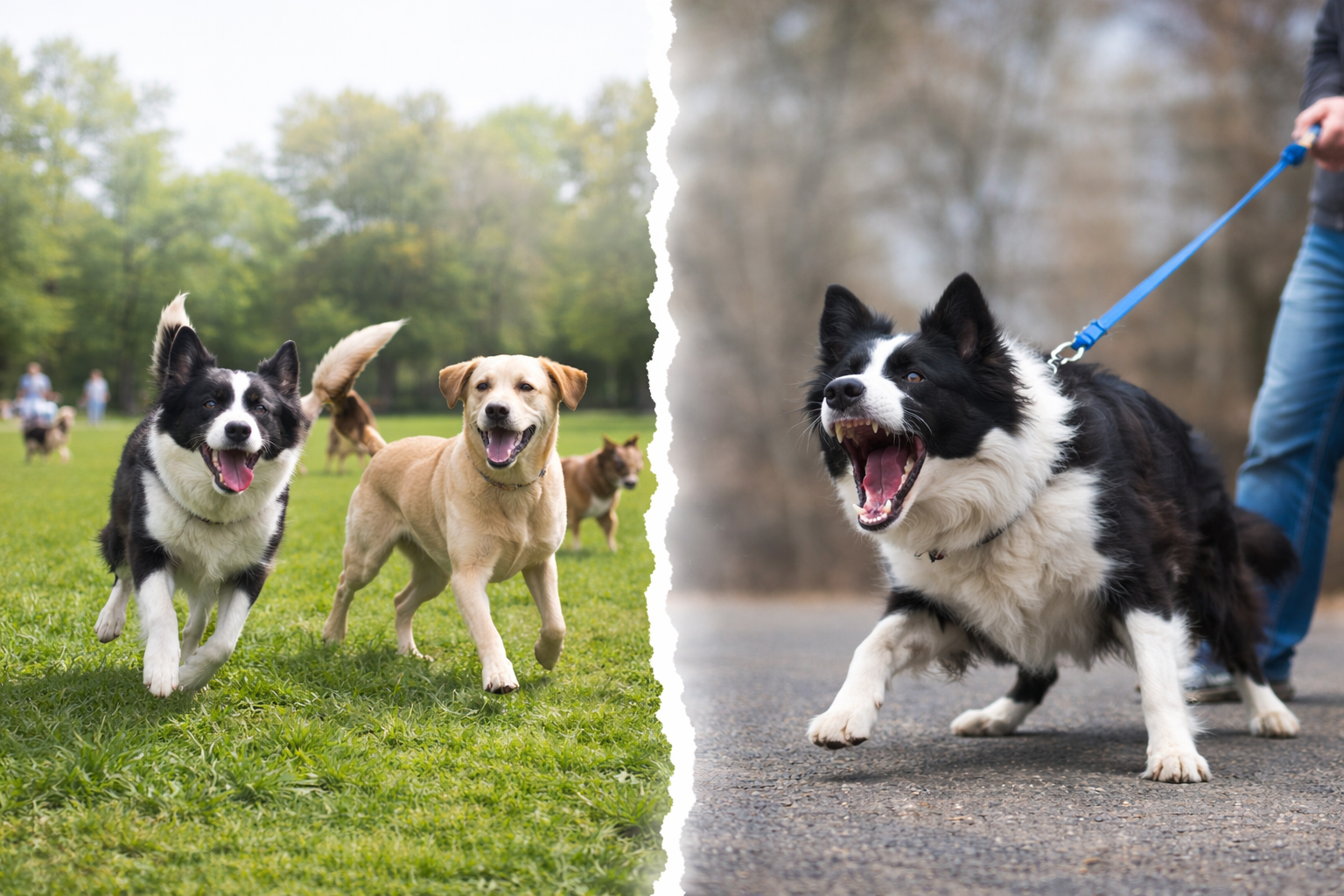
If your dog seems friendly off-leash but barks and lunges when restrained, you’re not alone. Learn why leash reactivity happens—and how to help your dog stay calm, confident, and in control around other dogs.
Inside your living room? Angel. Outside in the hallway, park, or apartment building? Chaos. This is one of the most common frustrations in dog training. And it has nothing to do with your dog “testing you.”
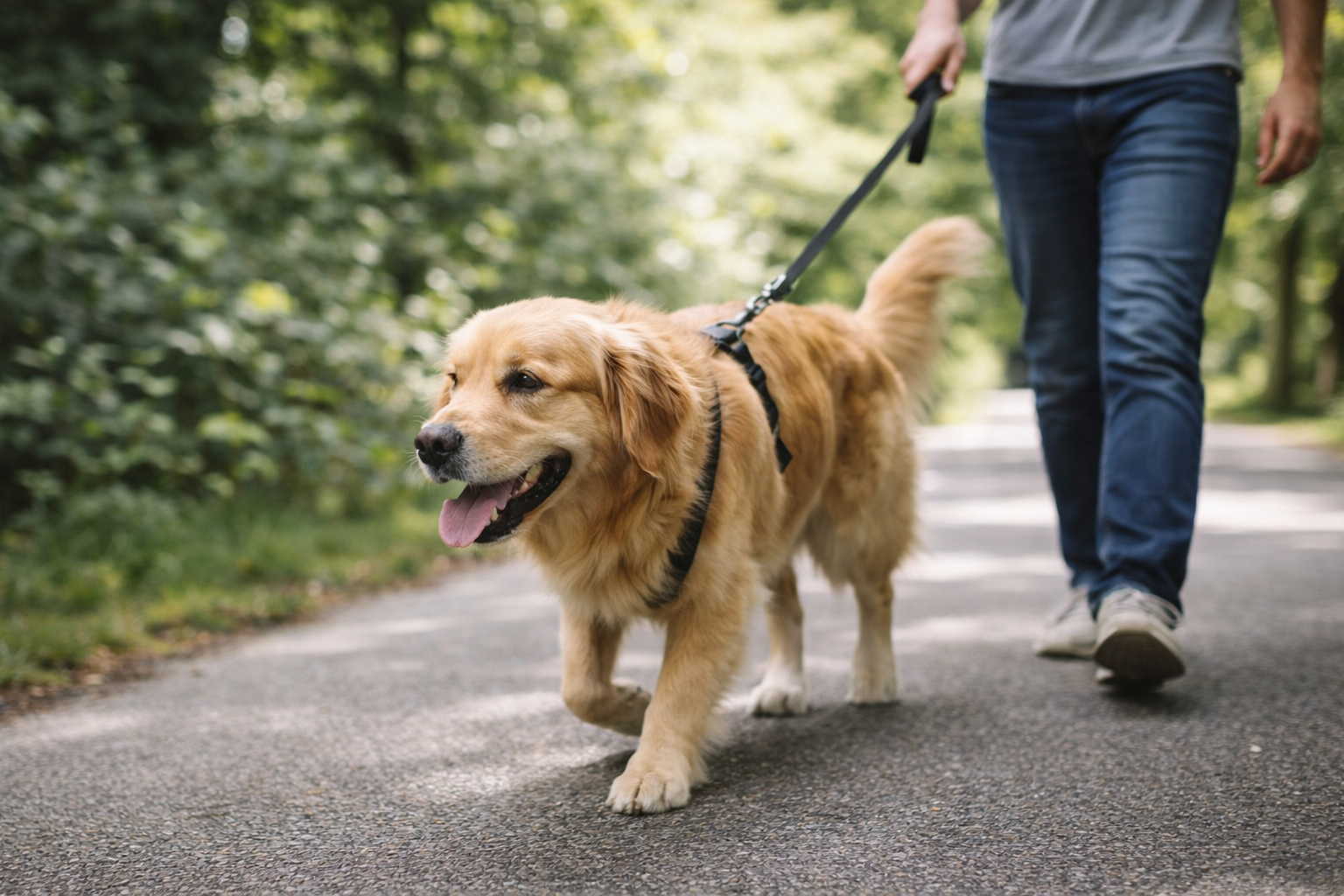
One of the most common questions people ask during walks is: “Is it bad if my dog walks in front of me?” Many dog owners have heard that letting a dog walk ahead means the dog is trying to assert dominance or take control of the walk.
Colorado culture is built around outdoor freedom. And it’s natural to want your dog to experience that with you. But here’s the honest truth: Off-leash training isn’t about freedom. It’s about responsibility. And most people try to earn freedom before they’ve built reliability.
If you’ve ever found yourself thinking, “He knows this,” or “She does it perfectly at home,” you’re not alone. Many dog parents experience the frustration of watching their dog respond reliably in the living room, only to seem completely confused at the park. It can feel like your dog is ignoring you or being stubborn. But in most cases, something very different is happening.
DOGS & BABIES
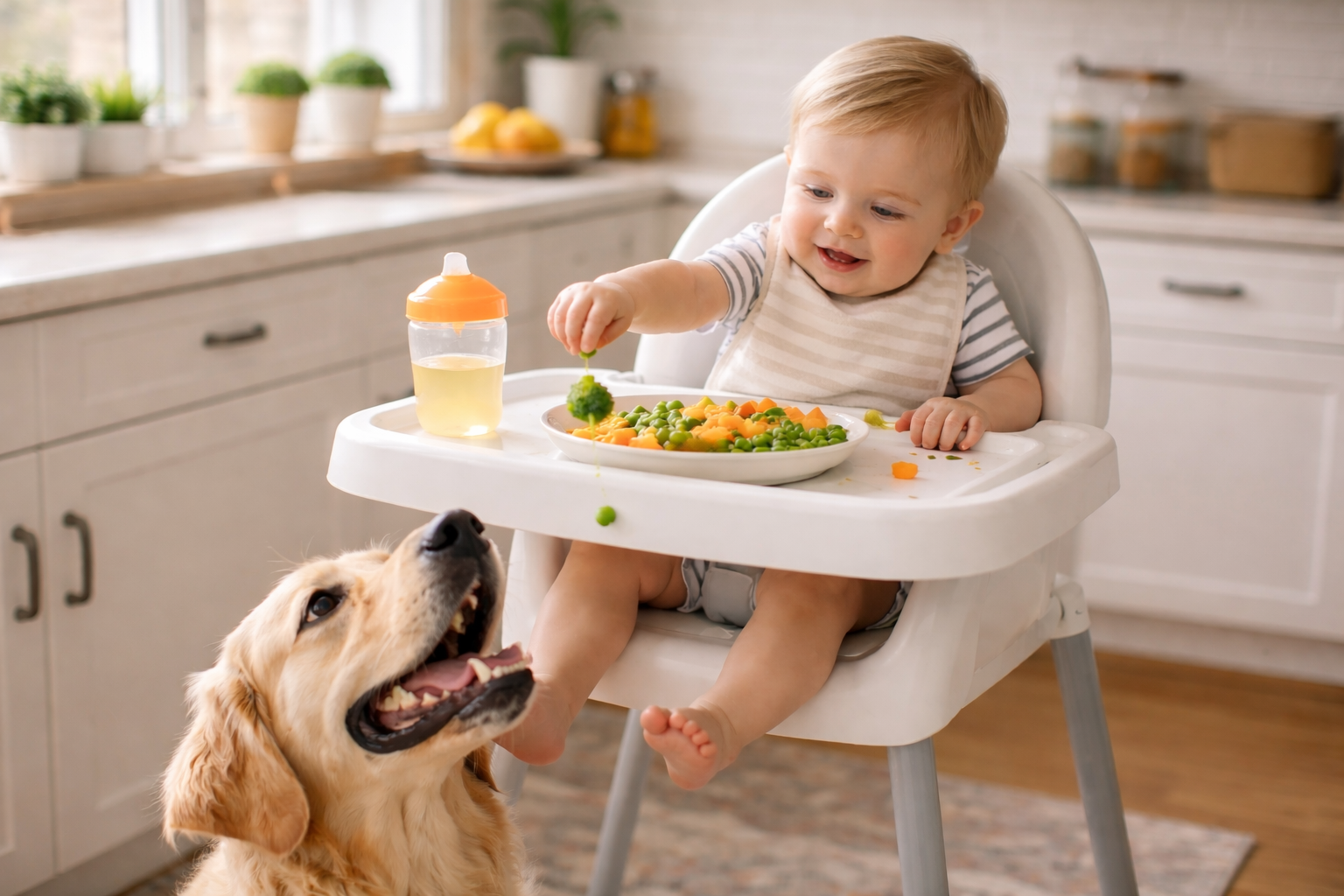
For many dogs, this is the moment they’ve been waiting for. The baby moves into the high chair stage, food begins appearing on the floor, and suddenly your dog discovers what feels like a magical new buffet. From the dog’s perspective, the baby may seem like the most generous person in the house. From the parent’s perspective, it can quickly become chaotic.
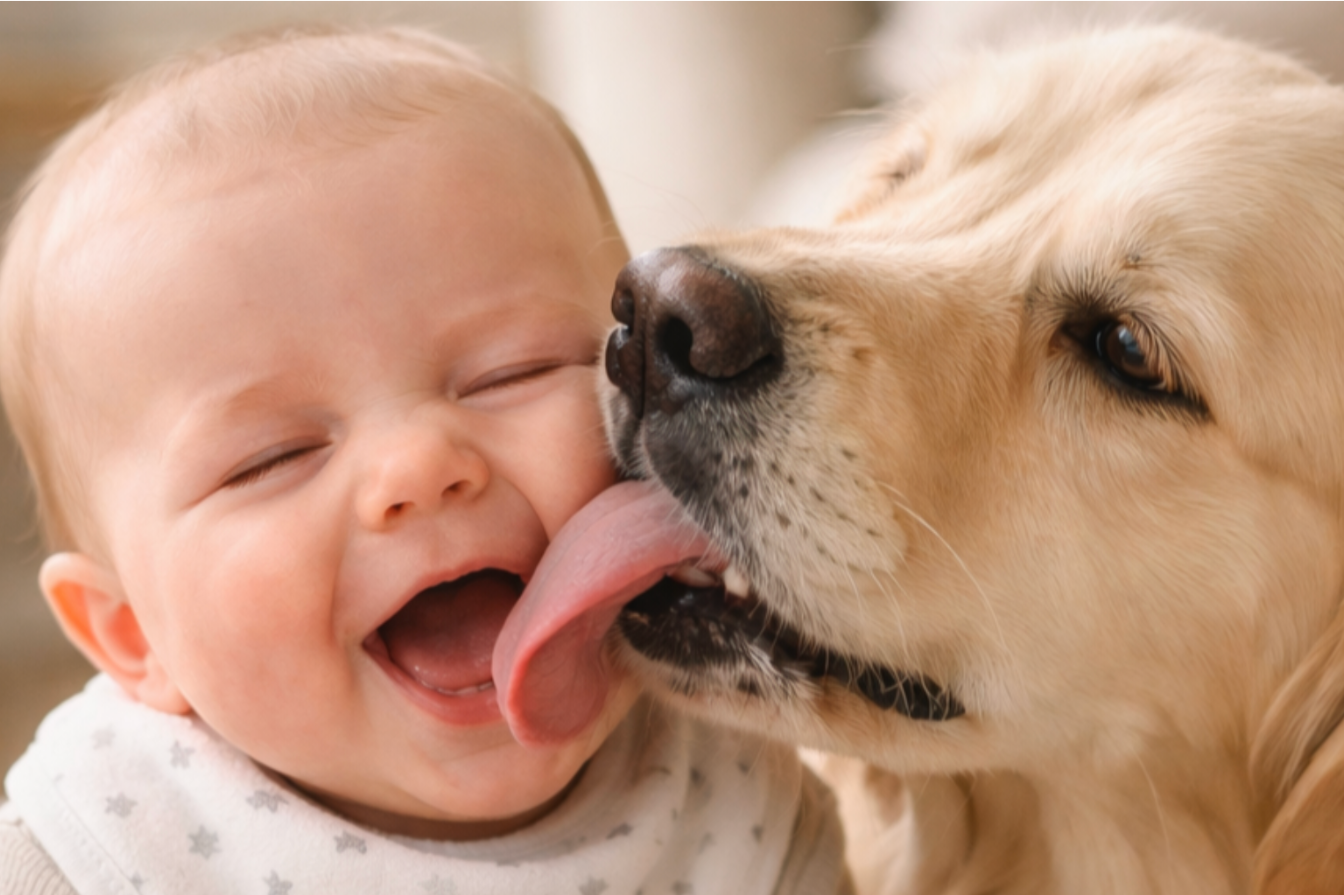
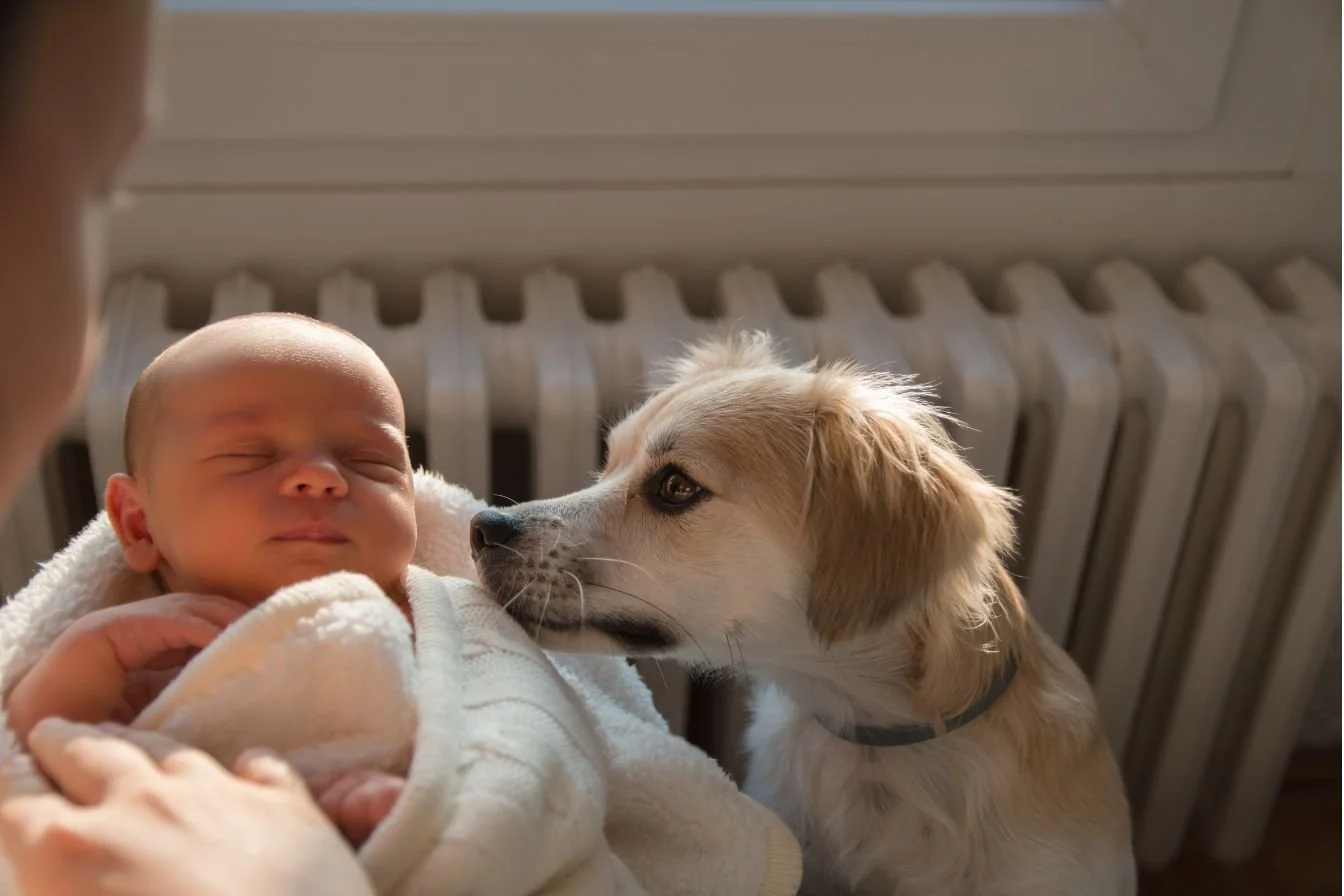
It’s a moment that often happens quickly. Your dog walks over, leans in, and gives the baby a big lick across the face. Some parents laugh. Others panic. So what’s the right response?
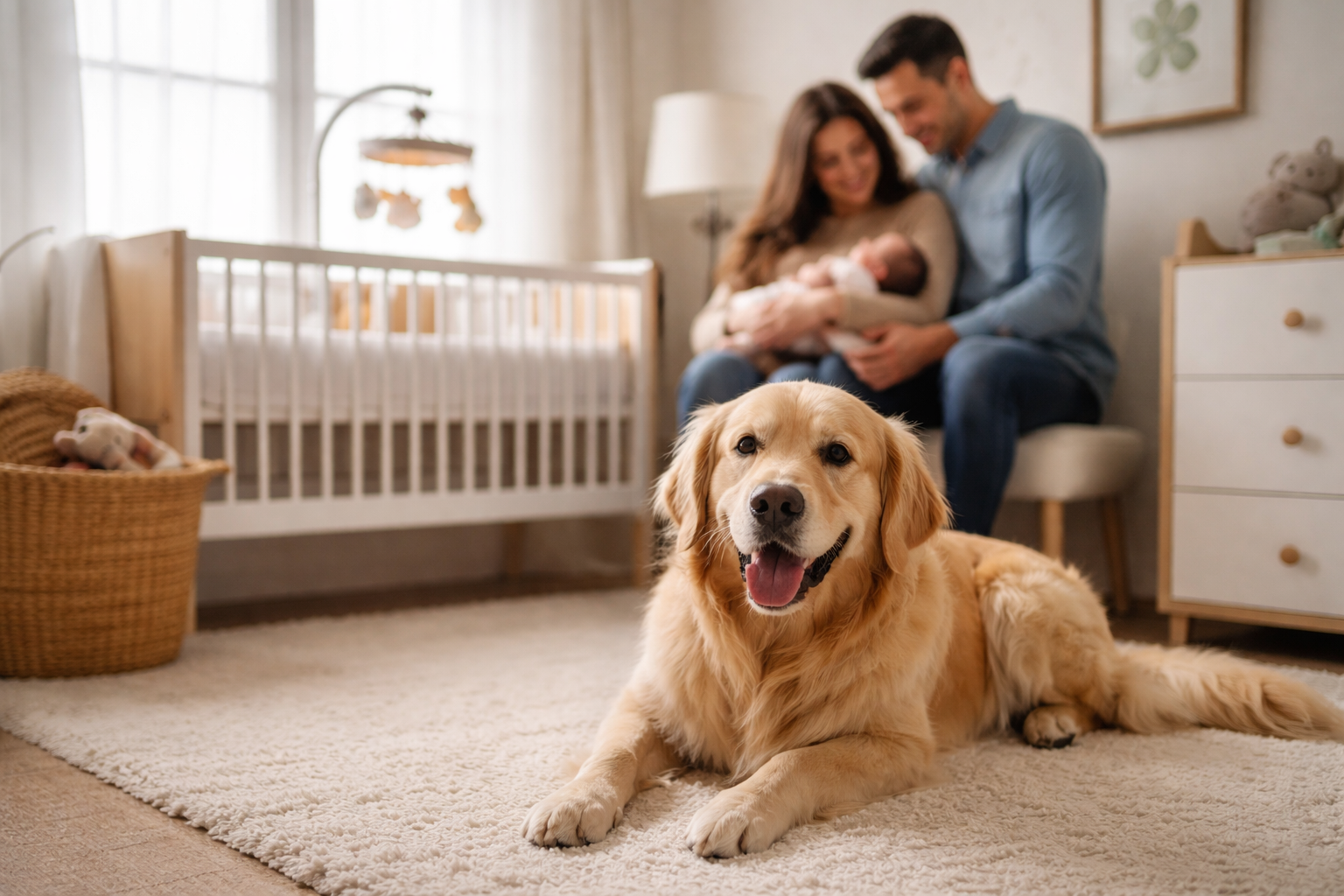
When a new baby arrives, many parents suddenly start thinking about parts of the house that used to feel completely ordinary. The nursery becomes one of those spaces. And a common question comes up quickly: Should my dog be allowed in the baby’s room?
Many parents notice a change in their dog after bringing a baby home. The dog that used to get all of your attention now watches as most of your time goes toward feeding, holding, and caring for the baby. So it’s natural to wonder: Is my dog jealous? In a human sense, probably not.
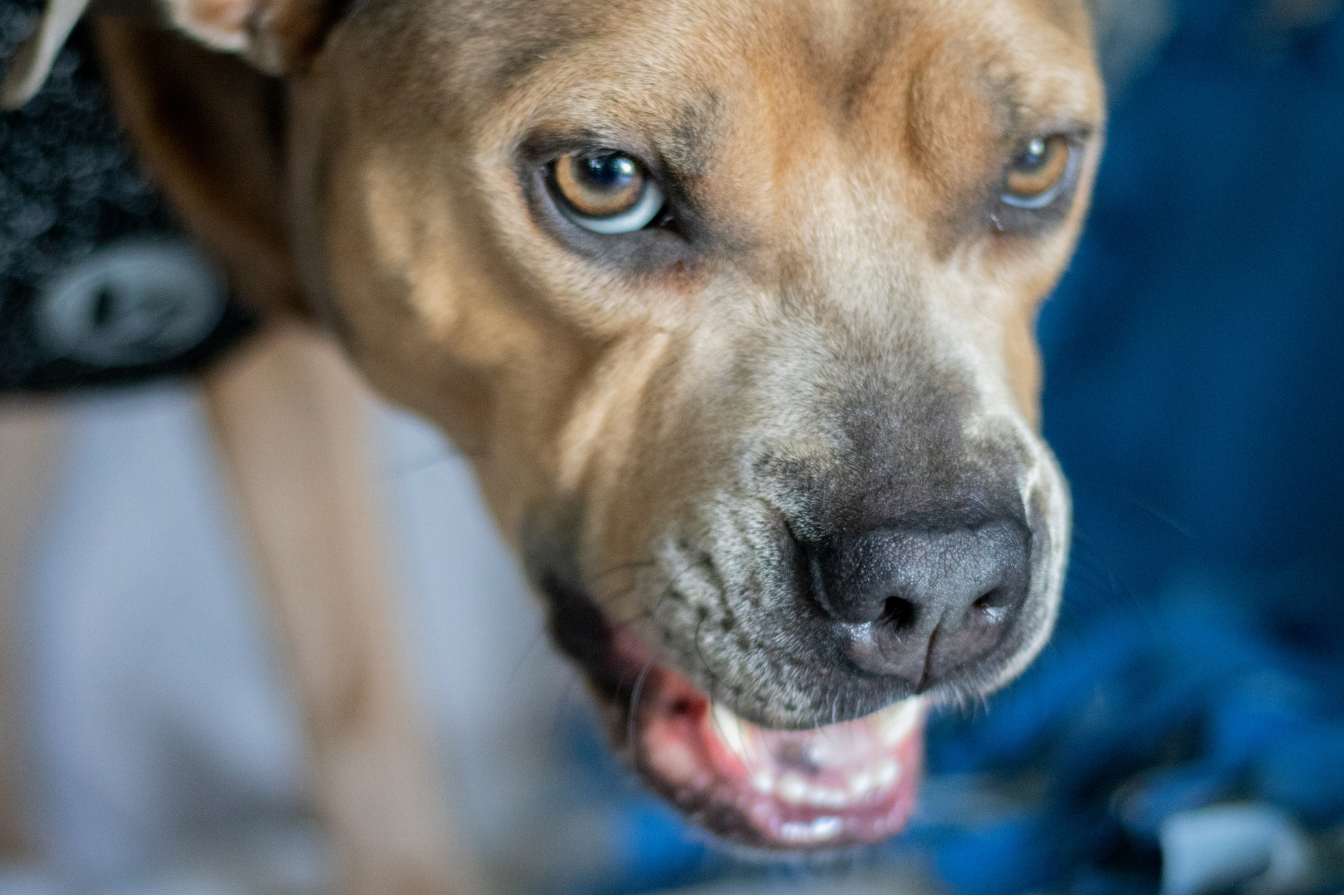
A new baby has just come home. Your world has completely changed. You’re exhausted, protective, and trying to do everything right. Then it happens. Your dog suddenly lets out a growl near the baby.
Many already know that a doula is a trained professional who provides mothers with continuous physical, emotional, and informational support before, during and shortly after childbirth, so it’s common (and unsurprising) for many to think that a doggy doula™ provides support to an expecting dog, or even that a doggy doula® is a dog that provides this support for her expecting human mom!
REFLECTIONS FROM A TRAINER
It usually comes a few sessions in. A client watches their dog respond to a cue, walk calmly beside us, or settle more quickly than they expected. Then they pause, smile, and say something like: “Wait… are you training me right now?”
If you talk to enough dog parents, you’ll start to notice a pattern. Many of them quietly carry a feeling that they might not be doing enough. Maybe they should be training more. Maybe their dog should already know certain things. Maybe other dogs are calmer.
Maybe other dog parents seem to have things more figured out.
One of the hardest parts of dog training often has very little to do with the dog. It’s the conversations between two people who both care — and don’t see the situation the same way.
Spend time around toddlers and you start to notice something strange. Parents everywhere are seemingly speaking in the exact same way: “Come on…”; “Do you want to put your shoes on?”; “Should we go brush our teeth?”; “Let’s gooo.”
There’s a moment that happens at playgrounds everywhere. A toddler finds something interesting — a truck, a shovel, a bucket. They pick it up. They start exploring it. Another child walks over. And almost immediately, the parent steps in: “I think the other child wants to play too. You should share.”
Feeling overwhelmed by dog training? Learn what actually helps—clear, compassionate strategies that support real progress without fear or guilt.